

Cable Tray Roll Forming Machine Technology and Production Guide
writer:优化 release time:2026-06-08 09:02:31 Views:129frequency
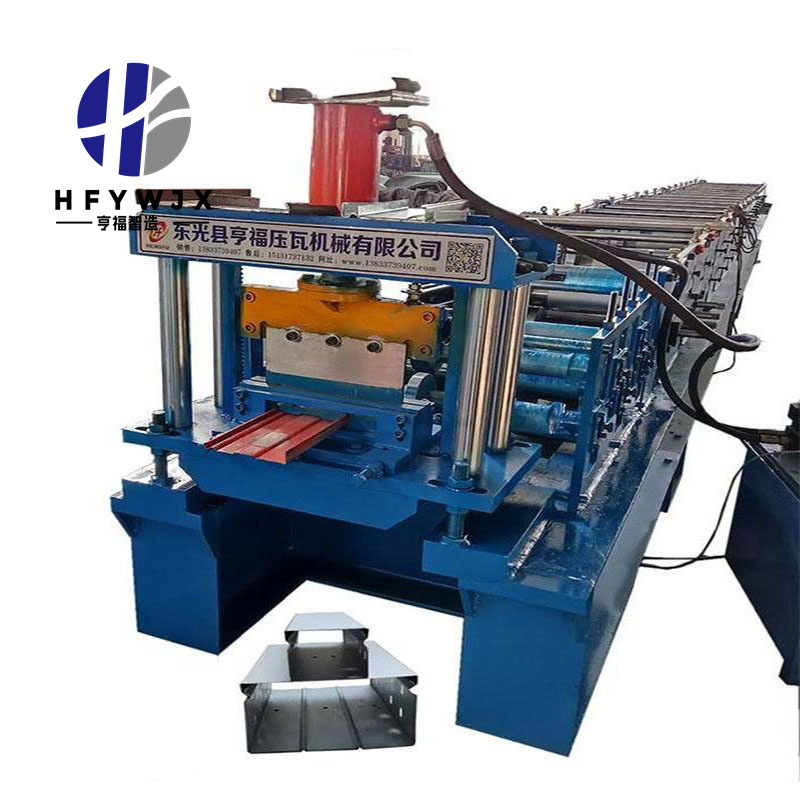
Cable tray roll forming machines produce essential cable management systems that support and protect electrical wiring in commercial, industrial, and infrastructure applications. These precision-engineered production lines, manufactured by specialized roll forming equipment suppliers, integrate progressive forming stations, punching systems, and cutting mechanisms to deliver cable tray profiles meeting electrical installation requirements. Understanding cable tray forming principles, profile design options, and production optimization enables electrical equipment suppliers to provide complete cable management solutions.
Cable Tray Profile Types and Design
Cable tray profiles encompass ladder type, trough type, and solid bottom configurations, each designed for specific cable management requirements and installation environments. Ladder type trays feature side rails connected by rungs, providing maximum ventilation for heat dissipation while allowing easy cable access for maintenance. Trough type trays incorporate perforated or solid bottom surfaces between side rails, offering additional cable protection while maintaining adequate ventilation.
Profile dimensions include tray width (100-1000mm typical), side rail height (25-150mm), and rung spacing, each influencing cable capacity, structural loading, and installation flexibility. Load capacity specifications (NEMA load classes) determine material thickness and profile design requirements. Reputable cable tray machine manufacturers design forming sequences that achieve structural performance while optimizing material utilization.
Punching Systems and Connection Features
Integrated punching systems create connection holes, splice positions, and mounting provisions that enable tray assembly and installation. Pre-punched hole patterns at tray ends facilitate splice connections, while mounting holes along tray length accommodate support bracket installation. Hydraulic punching units positioned within forming line create holes with precision placement (±0.5mm typical) according to programmable patterns.
Splice connection design influences tray assembly efficiency and structural continuity across tray sections. Standard splice connections provide mechanical jointing while maintaining electrical continuity for grounding requirements. Professional cable tray machine suppliers provide punching system customization for specific connection standards and project requirements.
Material Specifications and Surface Finish
Cable tray production utilizes pre-galvanized steel, hot-dip galvanized steel, stainless steel, or aluminum coil depending on corrosion protection requirements and installation environment. Material thickness ranges from 1.0-2.5mm for standard applications, with material selection based on load capacity requirements and service environment conditions. Pre-galvanized materials provide economical corrosion protection for indoor applications, while hot-dip galvanizing after fabrication offers enhanced protection for outdoor or corrosive environments.
Surface finish quality influences cable protection, electrical safety, and aesthetic appearance. Smooth interior surfaces prevent cable insulation damage during installation and service, while exterior finish quality affects corrosion resistance and visual appearance. Leading roll forming manufacturers provide surface treatment options including powder coating, painting, and specialized finishes for specific application requirements.
Production Flexibility and Changeover Efficiency
Cable tray production lines must accommodate multiple profile widths and configurations with efficient changeover procedures to meet diverse project requirements. Quick-change forming stations enable profile width adjustment (typically 100-1000mm range) within 15-30 minutes, maximizing production flexibility while minimizing downtime. Servo-adjustable forming stations provide automatic positioning for different profile widths without manual roller replacement.
Production programming systems store forming parameters, punching patterns, and cutting lengths for rapid setup when switching between tray types. Automatic material handling systems accommodate varying coil widths and thicknesses, ensuring consistent production quality across product range. Professional cable tray machine suppliers provide comprehensive training and technical support to optimize changeover procedures and production efficiency.
References
NEMA VE 1 - Metal Cable Tray Systems
IEC 61537 - Cable management systems
ASTM A653 - Standard Specification for Steel Sheet, Zinc-Coated (Galvanized) by the Hot-Dip Process
NEMA VE 2 - Cable Tray Installation Guidelines
ISO 9001 - Quality management systems - Requirements