

Color Steel Rolling Machinery Applications and Processing Techniques
writer:优化 release time:2026-05-29 22:21:02 Views:91frequency
Color steel rolling machinery processes prepainted and color-coated steel coils into diverse building and industrial products, delivering aesthetically appealing, weather-resistant materials for global construction markets. These specialized production lines, engineered by professional roll forming equipment manufacturers, integrate careful material handling, precision forming, and surface protection systems to maintain coating integrity throughout the manufacturing process. Understanding material selection, coating types, and processing optimization enables manufacturers to produce premium color steel products that satisfy architectural specifications and long-term durability requirements.

Material Selection and Coating Types
Color steel coils typically feature hot-dip galvanized or galvalume base metals (0.3-1.2mm thickness) with organic coating systems including polyester (PE), silicon modified polyester (SMP), polyvinylidene fluoride (PVDF), or plastisol. Polyester coatings offer economical color options with 10-15 year weather resistance, while PVDF coatings provide premium fade resistance and chalk resistance for 20-30 year service life in harsh environments.
Coating thickness (typically 15-25 microns per side) and color selection significantly influence product aesthetics and weather performance. Modern color steel rolling machinery must accommodate diverse coating types without surface damage, necessitating polished roller surfaces, appropriate forming pressures, and sometimes protective films during processing. Reputable equipment suppliers provide material compatibility charts and can recommend processing parameters for specific coating systems.
Production Line Configuration for Coated Steel
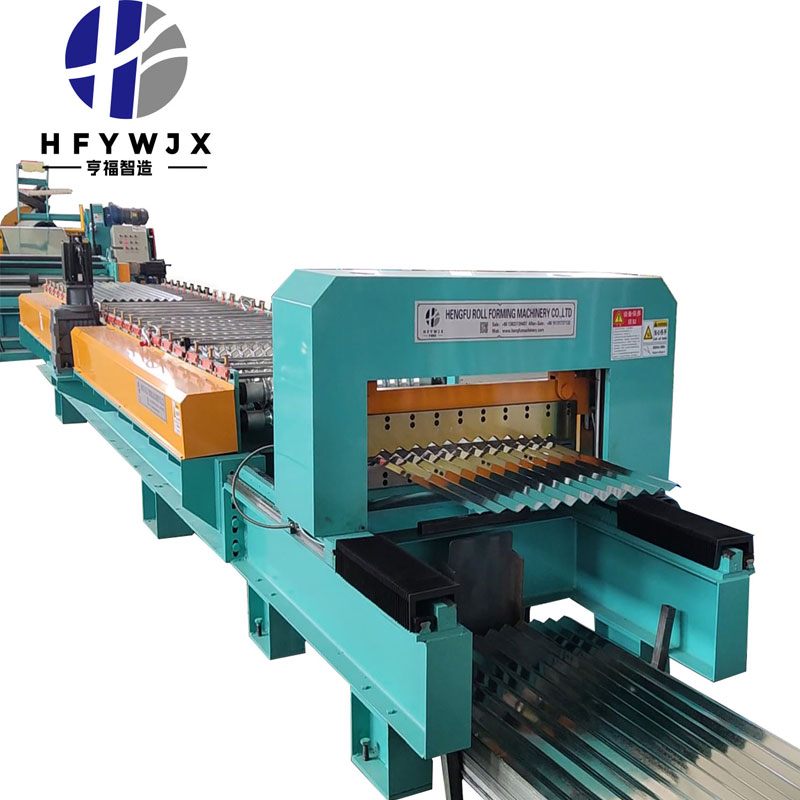
Color steel rolling machinery requires specialized configurations to prevent coating damage during uncoiling, leveling, and roll forming operations. The decoiling system employs coil cars with rubber-coated contact surfaces, pneumatic press arms, and tension control to prevent coil edge damage or coating scratches. Precision leveling units with chrome-plated rolls and adjustable backup supports remove coil curvature without surface marking.
The roll forming main machine incorporates mirror-polished rollers (Ra <0.2 micrometers), adjusted forming gaps, and sometimes intermediate protective film application to preserve coating quality. Roller material selection—typically GCr15 bearing steel with chrome plating—balances surface finish, wear resistance, and coating compatibility. Leading roll forming machine manufacturers offer dedicated color steel production line designs with enhanced surface protection features.
Surface Protection and Quality Control
Maintaining coating integrity throughout the production process demands comprehensive surface protection measures including protective film lamination, interleaving paper, and careful handling systems. Protective film lamination units, positioned before roll forming, apply peelable PE films that prevent surface scratching during processing and installation. The film must adhere adequately during production yet remove cleanly without residue after installation.
Quality control systems for color steel products encompass coating thickness measurement, color matching verification, surface defect detection, and adhesion testing. Inline non-destructive testing (NDT) equipment measures coating thickness with X-ray fluorescence (XRF) or magnetic induction sensors, ensuring compliance with coating specifications. Machine vision systems detect surface scratches, coating bubbles, or color inconsistencies that compromise product quality and customer satisfaction.
Production Optimization and Waste Reduction
Optimizing production for color steel rolling machinery balances throughput requirements against coating protection needs and quality consistency. Production speeds typically range from 8-25 m/min depending on profile complexity, coating type, and surface protection requirements. Servo-driven feed systems and synchronized control enable consistent production speeds while accommodating varying coil widths and thicknesses.
Material utilization significantly influences production economics, particularly for customized orders with varying lengths and colors. Optimized nesting software, integrated with production control systems, calculates ideal cutting lengths to minimize material scrap while meeting order quantities. The ability to automatically adjust cut lengths and quantities based on coil remaining weight prevents material waste and improves overall production efficiency. Experienced roll forming machine suppliers provide production optimization software and training to maximize material utilization and equipment productivity.
References
ASTM A755/A755M - Standard Specification for Steel Sheet, Metallic Coated by the Hot-Dip Process and Prepainted by the Coil-Coating Process
EN 10169 - Continuously organic coated (coil coated) steel flat products - Technical delivery conditions
ISO 9001 - Quality management systems - Requirements
EISSA - European Coil Coating Association Technical Guidelines
NACCA - National Coil Coaters Association Technical Resources