

Corrugated Sheet Roll Forming Machine: Production and Quality Optimization
writer:优化 release time:2026-07-20 23:09:34 Views:146frequency
Corrugated metal sheets have served the construction industry for decades, providing durable and economical roofing and siding solutions. A corrugated sheet roll forming machine enables manufacturers to produce these classic profiles efficiently and to consistent quality standards. As building requirements evolve, modern forming equipment incorporates advanced features that enhance productivity and expand application possibilities.
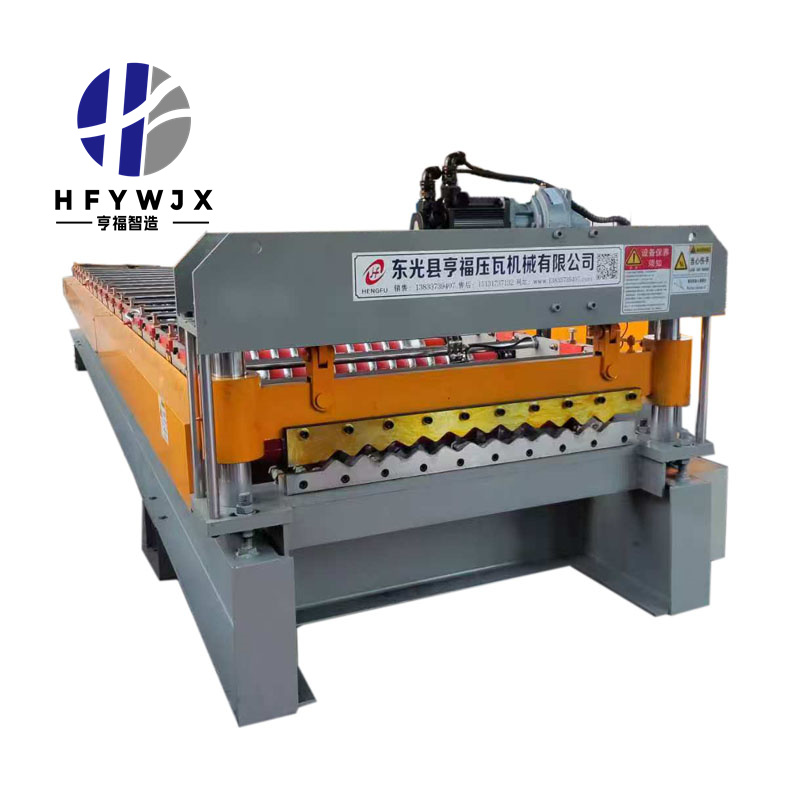
Corrugated Profile Characteristics and Benefits
The corrugated profile features a series of parallel ridges and grooves that significantly increase panel stiffness compared to flat sheets. This structural efficiency allows thinner materials to span greater distances, reducing overall construction costs. The profile also provides effective water shedding for roofing applications and attractive appearance options for architectural projects.
Manufacturers with extensive profile development experience understand how corrugation parameters affect performance. They can adjust ridge height, pitch, and depth to optimize strength, drainage, and material usage for specific applications. This application engineering expertise helps customers select or develop profiles that meet their market needs while maintaining production efficiency.
Machine Architecture and Forming Strategy
Producing quality corrugated sheets requires carefully designed roll tooling and appropriate machine architecture. The forming strategy must account for material thickness, yield strength, and desired profile geometry. Modern machines employ computer-designed roller paths that minimize material stress while achieving accurate final shapes.
Suppliers who invest in roll design software and simulation capabilities offer superior equipment performance. They can predict forming challenges and optimize tooling geometries before manufacturing begins. This engineering-driven approach reduces development time and produces machines capable of forming profiles that might challenge conventional design methods.
Production Line Integration and Automation
A corrugated sheet production line encompasses more than just the forming machine. Coil handling, optional pre-punching or cutting, post-forming operations like curving or notching, and packaging systems all influence overall productivity. Integrating these functions into a coherent production flow requires careful planning and equipment coordination.
Established factories provide complete line solutions rather than standalone machines. They understand how different line components affect each other and can recommend configurations that maximize throughput while maintaining quality. Working with suppliers who offer integrated solutions simplifies project management and ensures all components work together seamlessly.
Surface Protection and Coating Considerations
Many corrugated sheets receive protective or decorative coatings before or after forming. The forming process must not damage these coatings, requiring careful attention to roller materials, pressures, and handling methods. Quality equipment incorporates features that preserve coating integrity throughout the production process.
Experienced manufacturers provide guidance on forming coated materials, including recommended roller finishes, lubrication requirements, and handling practices. They may also offer optional equipment features like protective film applicators or gentle handling systems that further reduce coating damage risks. This application knowledge proves valuable when producing pre-finished building panels.
Adjustable Forming for Profile Flexibility
Some corrugated sheet applications require variable profile dimensions or the ability to produce multiple profiles on a single machine. Equipment with adjustable roller positions or interchangeable cassette systems provides this flexibility. While adding complexity and cost, such features enable manufacturers to serve diverse markets with reduced equipment investment.
Forward-thinking suppliers develop innovative adjustment mechanisms that simplify profile changes. Quick-change tooling, motorized adjustments, and digital position readouts reduce changeover time and minimize setup errors. When evaluating flexible equipment, assessing changeover procedures and required operator skill levels provides insights into practical usability.
Quality Verification and Dimensional Control
Consistent corrugated sheet quality requires systematic verification of critical dimensions throughout production runs. Profile depth, pitch accuracy, sheet flatness, and edge condition all affect final product performance and appearance. Modern machines incorporate measurement systems that monitor these parameters and alert operators to deviations.
Manufacturers committed to quality provide verification tools and procedures as part of their equipment packages. They may include profile gauges, flatness measurement devices, and documented inspection checklists. This quality focus extends beyond the machine itself to encompass the entire production process, reflecting supplier understanding of customer quality requirements.
Maintenance Access and Serviceability Design
Roll forming machines contain numerous moving parts and tooling that require periodic maintenance or replacement. Equipment designed with maintenance access in mind reduces service time and encourages proper upkeep. Features like removable guards, adjustable components with lockout capability, and centralized lubrication points demonstrate thoughtful design.
Reputable factories design equipment for long-term serviceability, recognizing that maintenance access affects lifetime ownership costs. They provide maintenance manuals with clear procedures, exploded component views, and recommended spare parts lists. This documentation support, combined with readily available parts, ensures equipment remains productive throughout its operational life.
Market Applications and Profile Development
Corrugated sheets serve diverse markets including agricultural buildings, industrial facilities, residential roofing, and decorative applications. Each market segment may require different profile geometries, material specifications, or aesthetic treatments. Equipment flexibility and supplier development capabilities influence the ability to serve multiple segments profitably.
Manufacturers who actively engage with customer markets understand evolving requirements and can guide profile development accordingly. They may suggest design modifications that improve performance, reduce material usage, or enhance appearance. This collaborative product development approach creates value for both equipment purchasers and their customers, strengthening competitive positions throughout the supply chain.
References
Construction material specifications and corrugated sheet application guides.
Metal forming equipment maintenance and operation best practice manuals.
Industrial profile design and structural performance evaluation resources.