

Double Layer Roll Forming Machine: Space-Saving Dual Profile Production
writer:优化 release time:2026-07-24 08:23:01 Views:186frequency
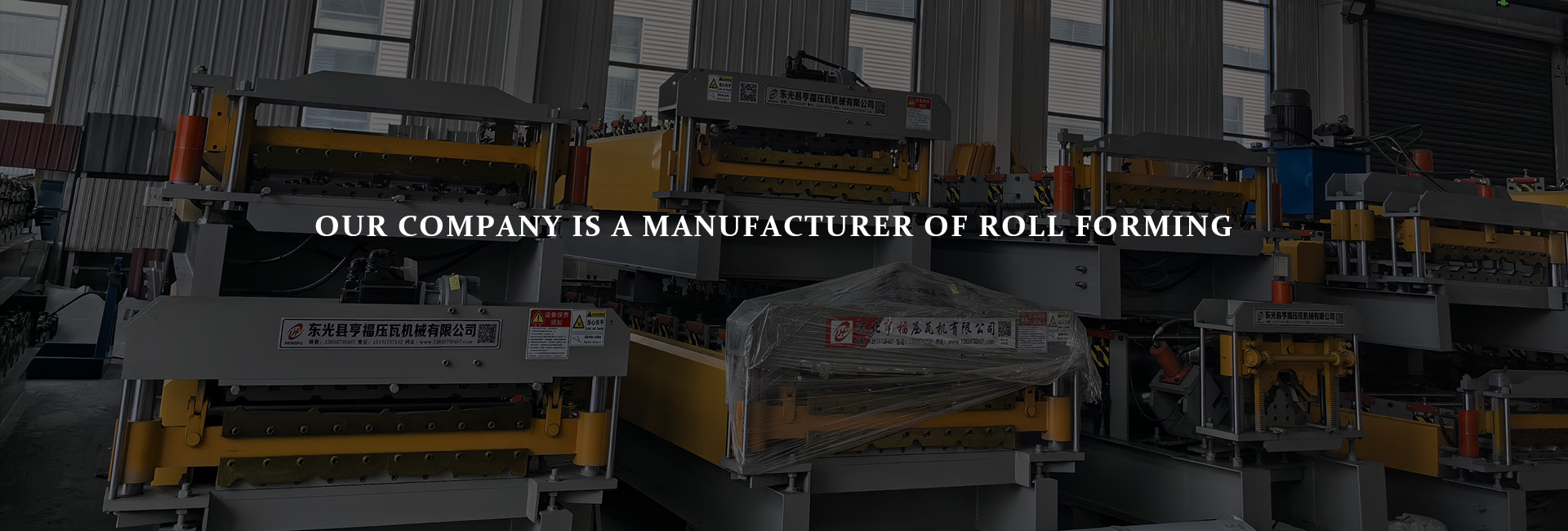
Maximizing production capabilities while minimizing floor space requirements presents an ongoing challenge for metal forming operations. A double layer roll forming machine addresses this challenge by producing two different profile types on a single machine frame. This innovative equipment configuration enables manufacturers to expand product offerings without proportionally increasing their facility footprint.
Dual-Layer Machine Design Principles
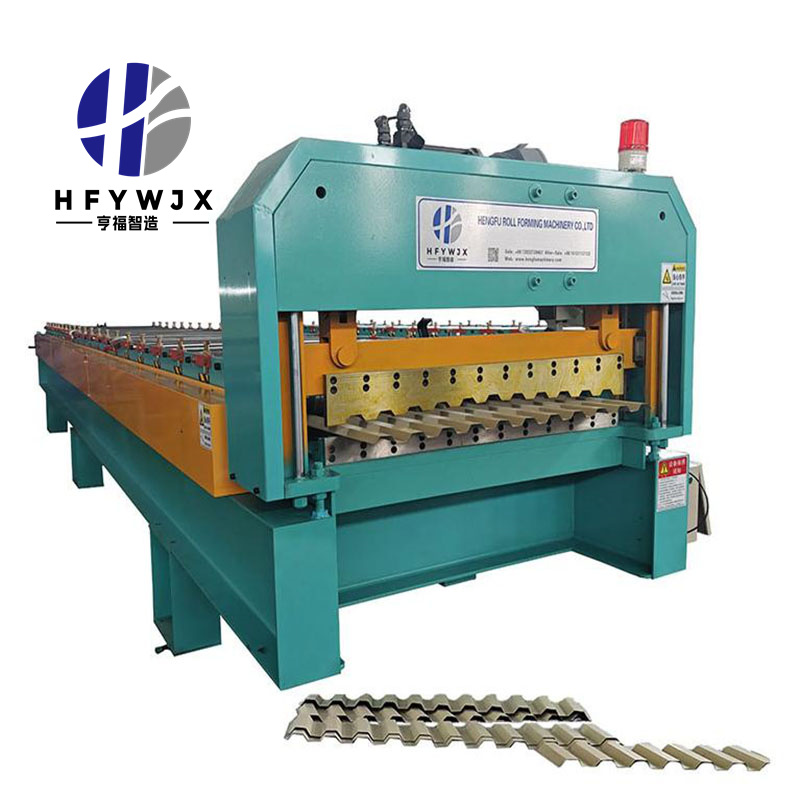
Double layer machines feature two independent forming stations arranged vertically, with a shared drive system and common frame structure. Operators can switch between profile types by selecting which layer to feed material through. This design eliminates the need for separate machines for each profile, reducing capital equipment costs and space requirements.
Manufacturers with expertise in compact machine design engineer these systems to maintain accessibility for maintenance and tooling changes. They carefully consider roller accessibility, drive system layout, and operator ergonomics when developing double layer configurations. Working with experienced suppliers ensures the resulting equipment operates reliably and remains serviceable.
Profile Combination Strategies
Selecting which two profiles to produce on a double layer machine requires strategic consideration. Common combinations include roof and wall profiles, different rib patterns for the same application, or complementary products that share similar material specifications. Thoughtful combination selection maximizes machine utilization and market coverage.
Suppliers familiar with market demands can suggest profile combinations that work well together on double layer equipment. They consider factors such as material width requirements, forming heights, and production volume expectations. This consultative approach helps customers select combinations that optimize equipment investment and operational flexibility.
Operational Workflow and Changeover
Operating a double layer machine involves coordinating material feeding, layer selection, and output handling for two distinct products. While more complex than single-profile machines, well-designed equipment simplifies these tasks through intuitive controls and clear operational procedures. Training operators on dual-layer workflows ensures safe and efficient production.
Factories that prioritize usability incorporate features like automatic layer positioning, digital control interfaces, and clear status indicators. These enhancements reduce operator workload and minimize setup errors when switching between profiles. Investing in user-friendly equipment pays dividends through reduced training time and fewer operational mistakes.
Drive System and Power Considerations
Double layer machines must drive two independent forming sections, often with different power requirements. Sophisticated drive systems distribute power efficiently between layers while maintaining precise speed control. Understanding drive configurations helps buyers select equipment with adequate capacity and appropriate control features.
Experienced manufacturers offer various drive options including single-motor systems with clutching mechanisms or independent drives for each layer. They can recommend appropriate configurations based on profile complexity, production speed requirements, and energy efficiency goals. This technical guidance ensures purchased equipment matches operational needs without unnecessary cost or complexity.
Material Utilization and Production Planning
Effective use of double layer equipment requires thoughtful production planning. Scheduling runs to minimize profile changeovers, optimizing material coil sizes, and balancing production volumes between the two profiles all influence overall equipment effectiveness. Developing efficient production strategies maximizes return on the dual-layer investment.
Reputable suppliers often share production planning insights based on their experience with similar installations. They may suggest inventory management approaches, discuss optimal batch sizes, or provide production scheduling templates. This knowledge transfer adds value beyond the equipment itself and supports customer operational success.
Maintenance Considerations for Dual Systems
Double layer machines present unique maintenance considerations compared to single-profile equipment. Both forming layers require regular attention, and the compact arrangement can complicate access to some components. Equipment designed with maintenance in mind incorporates features like removable guards, accessible lubrication points, and modular subassemblies.
Manufacturers who understand serviceability design create equipment that technicians can maintain efficiently. They provide maintenance schedules that address both layers, stock common wear items for both profile types, and offer service training that covers the specific requirements of double layer systems. Comprehensive support ensures these sophisticated machines deliver reliable long-term performance.
Cost-Benefit Analysis for Equipment Investment
Evaluating double layer machine investments requires comparing the cost against purchasing two separate single-profile machines. While double layer equipment often costs more than a single machine, it typically costs less than two independent lines. Additional factors like floor space savings, reduced utility connections, and simplified material handling also influence the economic analysis.
Established suppliers can provide detailed cost comparisons and return-on-investment projections. They may include factors like labor savings from simplified operations, reduced inventory requirements, and faster market response capability in their analyses. Thorough financial evaluation supports informed investment decisions and helps justify equipment purchases to stakeholders.
References
Industrial equipment investment evaluation guides and manufacturing efficiency studies.
Metal processing machinery operational optimization and workflow management resources.
Construction industry trends and dual-profile building material market analysis.