

Downspout Coil Forming Machine: Essential Equipment for Water Management
writer:优化 release time:2026-07-27 09:38:34 Views:159frequency
Effective rainwater management systems rely on properly formed downspouts and gutters to direct water away from buildings. A downspout coil forming machine enables manufacturers to produce these critical components efficiently and to exact specifications. As construction standards evolve and aesthetic expectations rise, the demand for high-quality forming equipment continues to grow among discerning buyers.
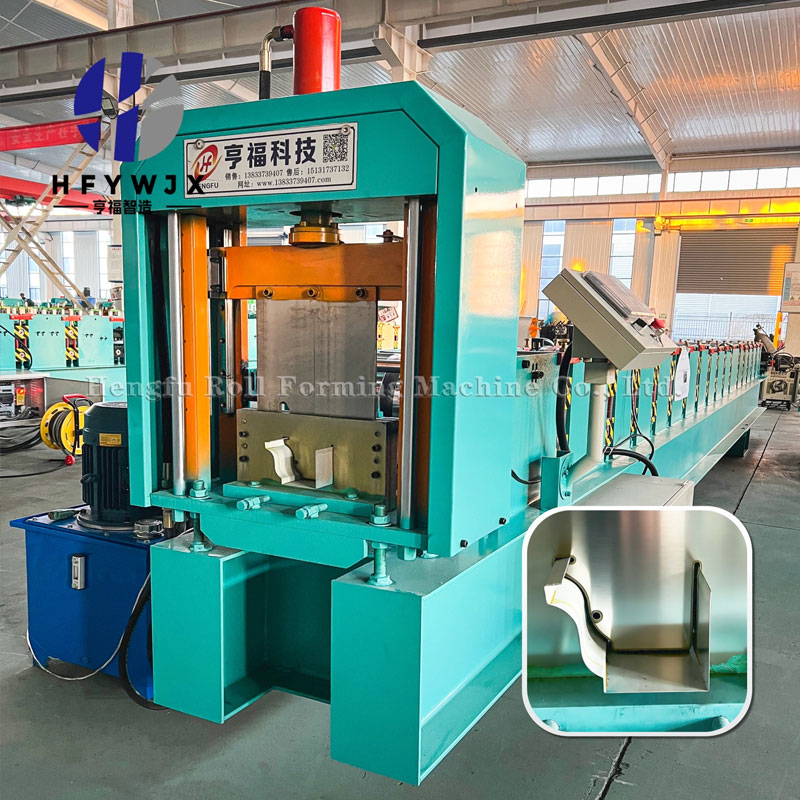
Rainwater System Components and Forming Requirements
Downspouts, also known as rainwater pipes or leader pipes, require precise dimensional accuracy to ensure proper water flow and secure connections. Forming machines must produce consistent profiles that meet industry standards while accommodating various architectural styles. Modern equipment handles different pipe diameters, shapes, and connection configurations to serve diverse market segments.
Manufacturers with deep understanding of rainwater management produce machines capable of forming round, rectangular, and custom profile shapes. They engineer equipment to maintain tight tolerances throughout production runs, ensuring each length of downspout fits seamlessly with compatible fittings. This precision reduces installation time and minimizes costly callbacks for contractors and builders.
Machine Design and Production Workflow
A complete downspout production line integrates multiple processing stages into a continuous workflow. Coil handling, forming rolls, punching stations for mounting holes, cutting units, and sometimes crimping or seaming stations combine to transform flat coil stock into finished downspout sections. Each stage requires careful synchronization to maintain production efficiency.
Suppliers offering integrated production solutions understand how different line components interact. They can recommend optimal configurations based on desired production capacity, available floor space, and required automation levels. Working with manufacturers who provide complete systems simplifies installation and ensures all components work together harmoniously.
Material Selection and Processing Considerations
Downspouts are commonly manufactured from galvanized steel, aluminum, copper, or color-coated steel coils. Each material presents unique forming characteristics and requires appropriate machine settings. Quality equipment accommodates material variations through adjustable roller pressures, controlled feeding systems, and compatible tooling materials that prevent surface damage.
Experienced factories provide material-specific guidance helping customers optimize machine performance. They understand how coating types, material thickness, and yield strength affect the forming process. This expertise proves valuable when customers want to expand their product offerings or switch to different materials based on market demand or cost considerations.
Production Speed and Output Quality Balance
Forming speed represents a key performance indicator for downspout production equipment. While higher speeds increase output, they must not compromise dimensional accuracy or surface finish quality. Advanced machines achieve impressive production rates while maintaining the precision required for proper system functionality and appearance.
Manufacturers focused on delivering production-worthy equipment incorporate quality control features throughout the forming process. In-process monitoring, automatic length measurement, and coordinated cutting systems work together to ensure each downspout section meets specifications. These integrated quality measures reduce waste and improve overall production efficiency.
Customization Capabilities for Market Differentiation
Different regions and building styles require varied downspout profiles and dimensions. Equipment that offers quick changeover between profile sizes provides manufacturers with valuable market flexibility. Some advanced machines feature adjustable forming stations or interchangeable tooling cassettes that reduce changeover time and expand product offerings.
Forward-thinking suppliers design equipment with adaptability in mind, recognizing that market requirements evolve over time. They may offer retrofit kits or upgrade paths that extend machine capabilities as customer needs change. This forward-compatible approach protects initial equipment investments and supports long-term business growth strategies.
Installation Infrastructure and Operational Requirements
Proper machine installation requires adequate space, appropriate power supply, and suitable material handling equipment. Downspout lines can be substantial in length, particularly when including uncoilers, accumulators, and runout tables. Planning the installation layout carefully prevents operational bottlenecks and ensures smooth material flow throughout the production process.
Reputable manufacturers provide detailed installation drawings and technical specifications to support proper setup. They may also offer site evaluation services to identify potential challenges before equipment delivery. This proactive approach demonstrates supplier commitment to customer success and helps prevent costly installation delays or performance issues.
Maintenance Protocols for Continuous Operation
Regular maintenance keeps downspout forming machines operating reliably and producing quality output. Daily lubrication, periodic roller inspection, and systematic replacement of wear components prevent unexpected breakdowns. Suppliers who provide comprehensive maintenance documentation and readily available spare parts simplify these essential tasks.
Factories with established service programs understand that equipment downtime directly impacts customer profitability. They maintain inventories of critical spare parts and can provide technical support for maintenance or repair activities. Building relationships with responsive suppliers ensures production continuity and protects the investment in forming equipment.
Market Trends and Future Equipment Considerations
The rainwater management industry continues evolving with new materials, profile designs, and installation methods. Equipment purchasers benefit from understanding these trends when selecting forming machines. Machines with flexible configurations and upgrade potential accommodate future product variations without requiring complete equipment replacement.
Manufacturers who actively monitor industry developments and incorporate improvements into their equipment designs offer better long-term value. They may provide software updates, tooling innovations, or productivity enhancements that keep customer operations competitive. Evaluating supplier innovation capacity and product development roadmap provides insights into equipment future-proofing.
References
Building construction standards and rainwater management system specifications.
Metal forming equipment technical documentation and operational guidelines.
Construction industry publications on drainage system components and installation practices.