


writer:优化 release time:2026-08-19 16:56:09 Views:108frequency
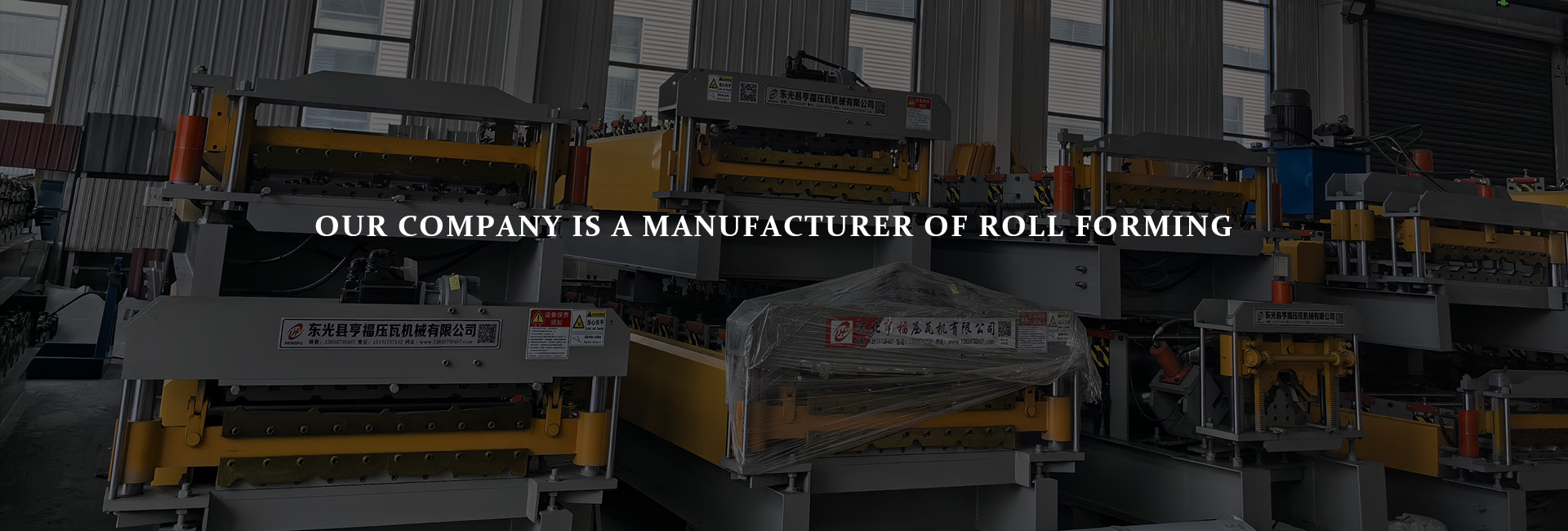
Glazed steel tiles have carved out a significant niche in the roofing and cladding industry. They combine the strength of metal with the classic appearance of ceramic or terracotta tiles. A glazed roll forming machine is the equipment behind these products, giving factories the ability to mass-produce decorative steel roof tiles with consistent quality. This article examines the key features, typical applications, and important factors to consider when choosing a machine from a supplier.
Unlike standard corrugated or trapezoidal sheets, glazed tiles have a more complex cross-section that mimics traditional roofing tiles. The profile includes multiple small corrugations and step-like contours that create a tiled appearance. Forming this shape requires precision-engineered rollers and stable machine construction. Manufacturers with experience in decorative profiles are better equipped to produce machines that maintain the fine details of these tiles. The factory process also usually includes a glazing or coating line that adds the final aesthetic finish, but the roll forming machine itself must produce a consistent base profile for these coatings to adhere properly. Buyers seeking a supplier for such equipment should look for factories that demonstrate a thorough understanding of decorative tile geometry.
A standard glazed roll forming line includes several sections working together. The uncoiler feeds the steel coil into the machine. The main forming section houses a series of roller stations. Each station gradually bends the metal strip. Pre-cut and cut-to-length units then process the formed sheet into final panels. The machine may also include punching stations for installation holes. Suppliers often offer different levels of automation. A basic machine uses manual controls while an advanced line integrates programmable logic controllers for automatic parameter adjustment. Factories that manufacture complete lines can ensure all components match each other, resulting in smoother operation and fewer commissioning problems. Buyers should ask potential manufacturers about the specific roller count and drive system used for glazed profiles in particular.
Glazed steel tiles are used in a wide array of building types. Residential projects benefit from the aesthetic appeal of the tiles. Commercial buildings such as hotels and restaurants use them for their distinctive look. Industrial facilities may choose them for a more finished appearance. The tiles are also common in renovation work, where lightweight steel profiles replace heavier traditional tiles. The durability of the steel core, combined with the protective coating, makes these tiles suitable for regions with harsh weather conditions. Contractors and distributors who source from a reliable manufacturer can offer their clients a product that looks premium but costs less than genuine clay tiles. The growing demand for decorative metal roofing means a well-chosen glazed roll forming machine can serve a profitable market segment.
Production speed is an important practical consideration. Glazed tile machines typically operate at lower speeds than simpler profile machines because of the complexity of the shape. A typical forming speed ranges between 8 and 15 meters per minute, depending on the specific profile depth and material thickness. Suppliers should provide clear speed ratings for their equipment. Higher-capacity machines may include servo-driven systems that improve speed without sacrificing accuracy. The factory may also offer tandem lines that combine the forming process with in-line coating or embossing, further reducing handling steps. Evaluating the trade-off between speed and profile quality is essential when selecting equipment. An experienced manufacturer can help balance these factors for the intended production goals.
Glazed tiles are usually made from galvanized steel or aluminum coils with pre-applied finishes. The forming process must not scratch or chip these coatings. Quality machines use rollers made from materials that are compatible with coated surfaces. Some suppliers offer polyurethane or hardened steel rollers with special surface finishes. The choice depends on the type of coating being used. Manufacturers that offer test runs with customer materials can verify that surface quality meets expectations before the machine is shipped. This trial process is valuable for avoiding post-installation problems. Buyers should discuss coating types with potential suppliers early in the evaluation process to make sure the machine design matches their material plans.
Many buyers need a specific tile profile that matches regional market preferences. A capable supplier can develop custom roller sets for new profile designs. This process involves computer-aided design and simulation followed by precision machining of the rollers. Factories with in-house tooling capabilities typically deliver custom profiles faster and at lower cost. The lead time for custom tooling can range from a few weeks to several months, so planning ahead is wise. Having a manufacturer that can handle both standard and custom profiles gives a buyer flexibility. Some suppliers also provide sample tiles made from the actual tooling before full production, allowing the buyer to verify the appearance and fit of the finished product.
Maintenance of a glazed roll forming machine follows general roll forming practices with some specific considerations. The rollers for glazed profiles have more intricate shapes and may require more careful inspection during cleaning. Lubrication of bearings and drive components follows a regular schedule. Cutting blades need periodic sharpening or replacement. Suppliers that offer maintenance training and clear documentation make it easier for factory operators to keep the machine in good condition. Spare parts availability is also an important factor. A manufacturer with a warehouse of common spares can supply replacements quickly, reducing downtime. Asking about spare parts inventory during purchase negotiations is a practical step.
Selecting a supplier involves more than comparing price lists. Experience with glazed profiles specifically is important because the forming requirements differ from simpler profiles. A manufacturer that has built several glazed tile lines is likely to have refined their design. Visiting the factory or arranging a video walk-through can provide useful insight into their production standards. References from existing customers in similar markets are also valuable. Buyers should prepare a list of questions about drive systems, roller materials, control options, and warranty terms before contacting suppliers. Getting detailed proposals from multiple manufacturers and comparing them systematically leads to better purchasing decisions. The right partnership with an equipment supplier sets the foundation for long-term production success.
Metal roofing and cladding product catalogs and decorative tile design guides. Industrial roll forming machinery specification sheets from equipment manufacturers. Building material market analysis reports on decorative steel roofing trends. Manufacturing engineering journals on cold roll forming of complex profiles.
Copyright © 2023-2024 http://www.hengfumachinery.com All Rights Reserved Dongguang County Hengfu Roll Forming Machinery Co.,Ltd