

Roll Forming Machine Troubleshooting and Maintenance Best Practices
writer:优化 release time:2026-06-01 22:25:15 Views:169frequency
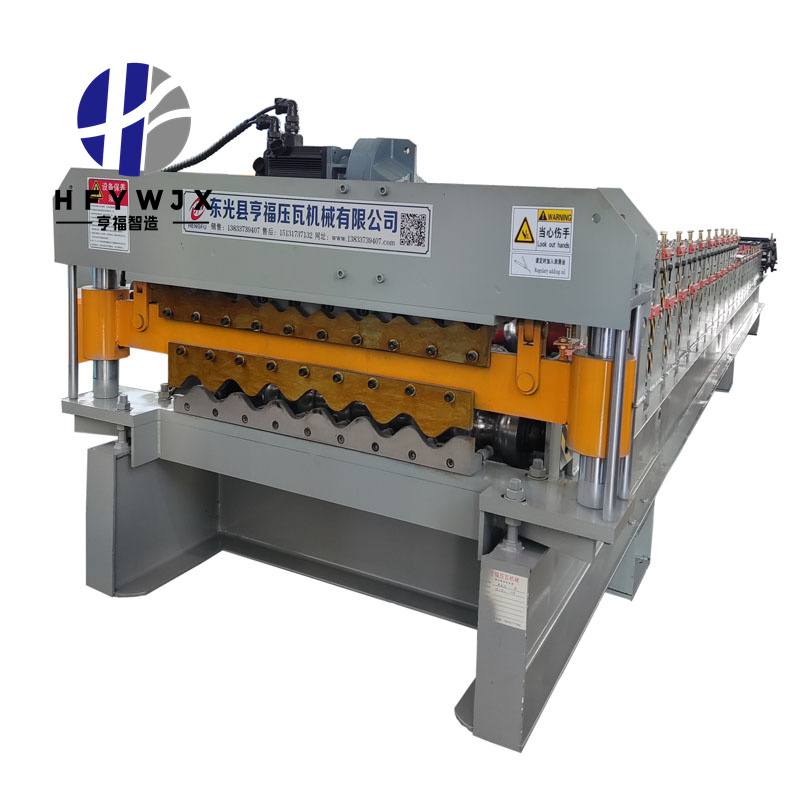
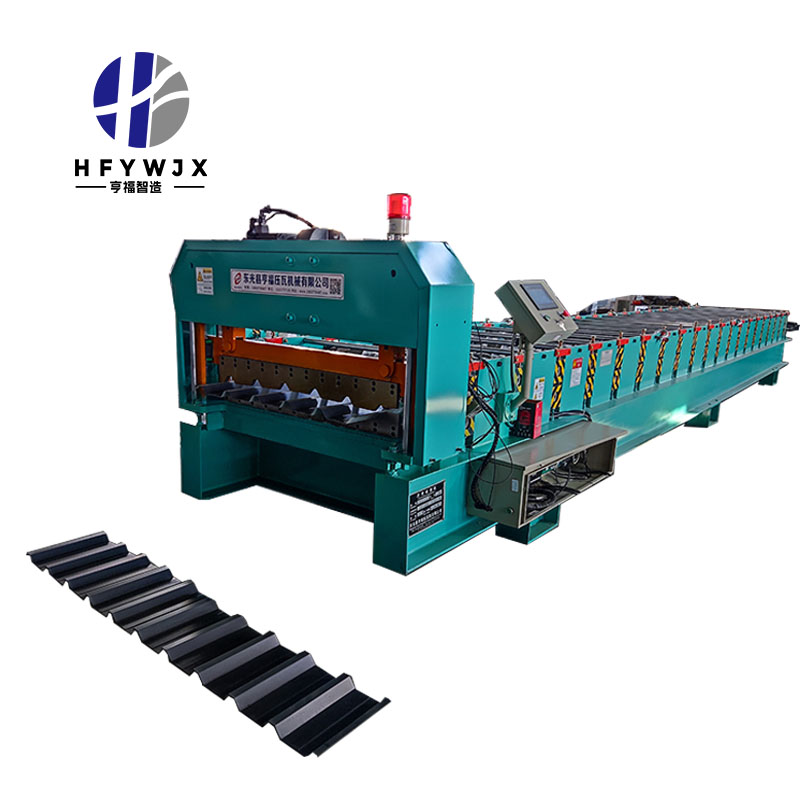
Roll forming machine reliability directly determines production efficiency, product quality, and operational costs in metal building component manufacturing. Systematic troubleshooting methodologies, coupled with preventive maintenance programs implemented by experienced service suppliers, minimize unplanned downtime and extend equipment service life. Understanding common fault symptoms, root cause analysis techniques, and maintenance optimization strategies enables plant engineers to maintain consistent production output and product quality.
Common Fault Symptoms and Diagnostic Approaches
Profile dimension deviations—including width variations, rib height inconsistencies, or edge wave—typically originate from roller wear, improper gap adjustment, or material property variations. Diagnostic procedures begin with dimensional measurement at multiple production line positions, followed by roller inspection for wear patterns, surface damage, or coating degradation. Adjusting roller gaps, replacing worn rollers, or modifying forming sequences resolves most dimension-related issues.
Surface quality problems—scratches, coating damage, or roller marks—frequently result from contaminated roller surfaces, improper material lubrication, or misaligned guide systems. Root cause analysis involves material surface examination, roller surface inspection, and lubrication system verification. Reputable roll forming machine manufacturers provide troubleshooting guides and technical support to quickly identify and resolve surface quality issues.
Electrical System Fault Diagnosis
Electrical faults manifest as intermittent operation, speed fluctuations, cutting length errors, or complete system shutdown. Modern roll forming lines incorporate programmable logic controllers (PLCs), servo drives, and touchscreen interfaces that provide fault code displays and diagnostic information. Systematic troubleshooting begins with fault code lookup, followed by input/output verification, drive parameter inspection, and communication link testing.
Servo drive faults—overcurrent, position following errors, or encoder feedback issues—require specialized diagnostic tools including drive configuration software, oscilloscopes, and signal generators. Grounding system verification, shield termination inspection, and electromagnetic interference (EMI) evaluation prevent intermittent electrical faults that cause production variability. Professional equipment suppliers offer remote diagnostics capabilities and onsite technical support to minimize electrical system downtime.
Mechanical Component Maintenance and Replacement
Mechanical maintenance encompasses roller bearing lubrication, drive chain/belt tensioning, gearbox oil change, and cutting die sharpening or replacement. Bearing temperature monitoring, vibration analysis, and lubrication schedule adherence prevent catastrophic bearing failures that cause extensive machine damage and prolonged downtime. Predictive maintenance techniques—including oil analysis, vibration monitoring, and thermal imaging—identify developing problems before functional failure occurs.
Cutting system maintenance significantly influences product quality and production efficiency. Hydraulic cutting systems demand regular hydraulic oil analysis, filter replacement, and seal inspection to prevent pressure decay, slow cutting action, or complete system failure. Mechanical fly-cut systems require periodic cutter blade sharpening, bearing lubrication, and synchronization calibration to maintain cutting accuracy and surface quality.
Preventive Maintenance Scheduling and Documentation
Preventive maintenance scheduling balances maintenance costs against unplanned downtime risks, with critical equipment components receiving more frequent inspection and replacement. Daily maintenance includes lubrication point verification, pneumatic system pressure check, and safety system functional test. Weekly tasks encompass drive system inspection, cutting die condition assessment, and electrical cabinet cooling verification.
Documentation of maintenance activities, including replacement part identification, labor hours, and performance trend data, enables predictive maintenance strategies and warranty claim support. Computerized maintenance management systems (CMMS) or simplified logbooks track completed tasks, upcoming scheduled maintenance, and spare parts inventory status. Leading roll forming machine manufacturers provide maintenance schedules tailored to specific equipment models and operating conditions.
References
NFPA 79 - Electrical Standard for Industrial Machinery
ISO 9001 - Quality management systems - Requirements
PLC Manufacturer Programming and Maintenance Manuals (Siemens, Allen-Bradley, etc.)
Hydraulic Institute Standards for Hydraulic System Maintenance
ANSI/AGMA Gear Standards for Gearbox Maintenance